| - | - | - | - | - |
| 1st Edition AD&D | - | Dragon #106 | - | Dragon magazine |
A bad idea doesn?t necessarily make for
a
bad game. In fact, the opposite is often
true
--some games that end up doing very well
in the marketplace were born from bad
ideas.
This premise was the foundation of a
panel discussion held at last summer?s
Origins
?85 convention, entitled "Bad Game
Ideas and How to Make Them Work." The
principles and opinions brought out during
the discussion are applied in this article
to
several games that have recently appeared
on the market. Some of these games have
succeeded, or have the potential to succeed,
even though they are based on ?bad? ideas.
But it doesn?t always work this way ?
many bad ideas lead to games that are just
as bad.
The word ?bad? in this context can
mean a number of different things, such
as
silly, tasteless, outrageous, or even incredibly
clever. ?Bad? game ideas tend to violate
accepted marketing wisdom (?You can?t sell
a game about killing baby seals in the
mass
market!?) or accepted notions of game
design (?You can?t possibly design a good
game about rollerskating accountants!?).
Of course, accepted marketing wisdom
and accepted notions of game design have
a
way of changing once someone creates a
hit
game. The Monopoly® game was
rejected
by a number of publishers before Parker
Brothers bought it, because the game rules
were so complex no one would ever bother
to learn how to play it!
Similarly, the
DUNGEONS & DRAGONS® game
was
such a ?bad? idea that it was turned down
by a number of publishers who felt that
a
fantasy role-playing game couldn?t possibly
be successful. Now, many of the same publishers
who rejected the original are publishing
imitations. Role-playing games ceased
to be a ?bad? idea as soon as one of them
became successful.
In this sense, a ?bad? game idea can
actually be a very good idea. The word
?bad? used to mean ?good? has become a
catchphrase at West End Games, where if
a
designer tells you your game idea is ?really
bad,? it might just be a compliment. The
equivalent term at Steve Jackson Games
is
?stupid.? At TSR, there is no precise equivalent,
but the terms ?cheesy? and ?wahoo?
are often heard.
Not all ?bad game ideas? are actually
good. Most of the time, accepted marketing
wisdom and accepted theories of game
design are very much on target ? that?s
how they got accepted in the first place.
If
everyone hates your pet game idea, they?re
probably on to something. For every Monopoly
or DUNGEONS & DRAGONS
game phenomenon, thousands of games die
in the marketplace each year.
Sometimes a ?good game idea? turns out
to be a very bad idea, as the manufacturers
of a number of imitation trivia games found
out. A game can have all the support of
the
marketing department, have the most carefully
researched and tested game mechanics,
and still flop.
With this in mind, let?s look at a few
?bad game ideas? that have been recently
published.
During the panel discussion, several
participants tossed out suggestions for
unpublishable
?bad-as-in-really-tasteless?
game ideas, among them a game based on
the Bernhard Goetz subway incident. Upon
returning to the dealers area at the convention,
the first game I saw was the Subway
Vigilante Game (by Paperback Games),
based on you know what.
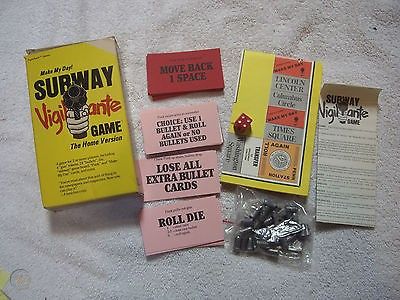
The bright yellow
box was decorated with a hand pointing
a
revolver at the buyer, and ?Make My
Day!? was emblazoned above the title. This
suggests that there is no idea so tasteless
that no one will publish it.
The game is packaged as a fake paperback,
so you can store it on your bookshelf.
It?s a hefty package, too, because it includes
4 lead ?guns? and 24 ?bullets.? The board
is merely folded paper. The object of the
game is to get from Brooklyn to the Bronx
without getting killed.
Subway Vigilante uses a Monopoly-style
movement track, with ?Punk?, and ?Make
My Day!? spaces that require the player
to
draw cards. You get and use Bullets against
Punks and sometimes innocent bystanders
during play, but the game shies away from
showing actual death. Some of the cards
are
humorous, but most are surprisingly bland,
especially considering the subject matter
of
the game.
The packaging and design of this game is
clearly intended to be outrageous and exploitative.
The logo design clearly plays
upon fears about public safety, and the
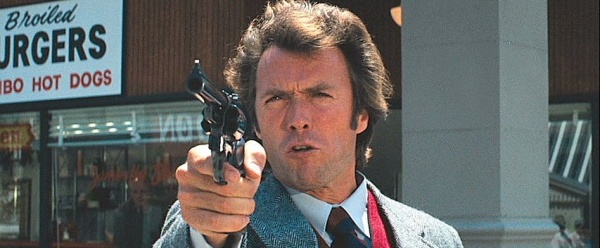
"Make My Day!" slogan evokes a Dirty
Harry attitude toward law enforcement.
There is nothing wrong with a little tastelessness
in a game. Subway Vigilante would
make a good gag gift. Unfortunately, the
game becomes hypocritical when it suggests
that after playing the game the players
should have a ?Roundtable Discussion?
about the effects and morality of vigilantism.
This is just as phony as the ?psychologist
introducing a dirty book by claiming it
provides ?socially redeeming value? and
provides psychological insights into modern
urban morality. Good trash must be honest.
Subway Vigilante is not an honest
game,
not a funny game, and not a good game.
One of the best ?bad ideas? in recent
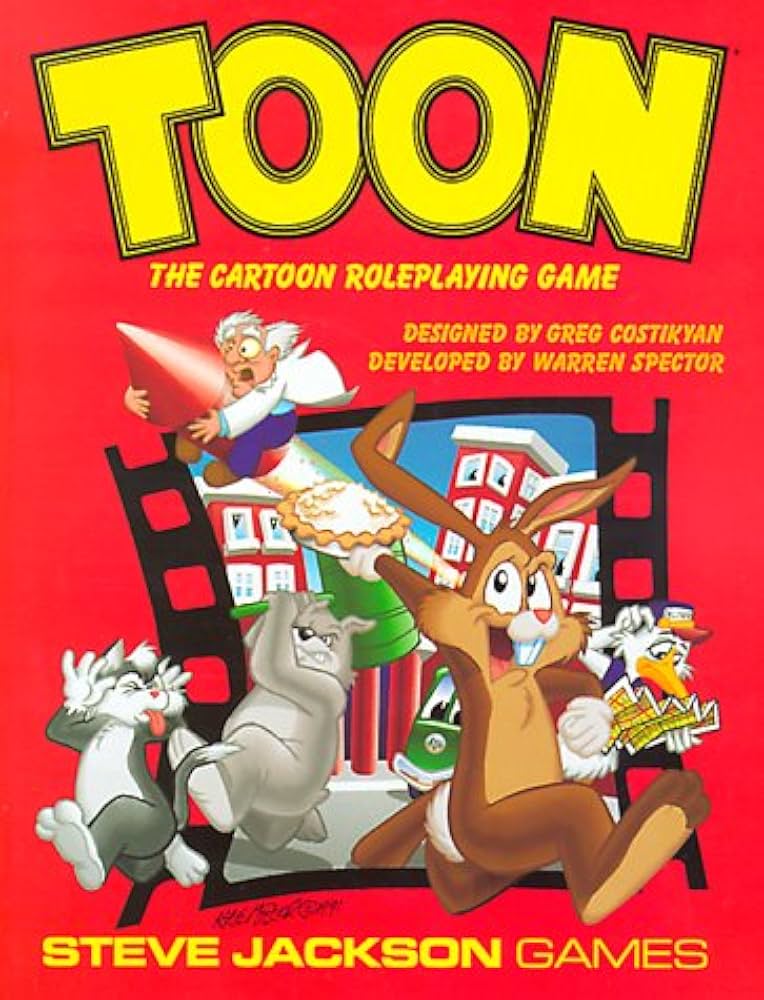
gaming history has been the Toon?
roleplaying
game from Steve Jackson Games.
Most of the definitions of ?bad? apply
to
Toon ? it is silly, sometimes tasteless,
always
outrageous, and certainly clever. It
violates conventional marketing wisdom
(?You can?t sell a game to adults about
silly
cartoons!?) and accepted notions of game
design (?You can?t do a role-playing game
in which no one ever gets killed!?). Toon
is
beer-and-pretzels role-playing with a vengeance.
It doesn?t hold up well as a campaign
game, but is a very good choice to
introduce someone to role-playing. The
mechanics of Toon are both simple
and
versatile, except for an experience-point
system that seems very out of place and
a
skills list that is too cumbersome for
an
otherwise streamlined game.
Toon Strikes Again, the first supplement
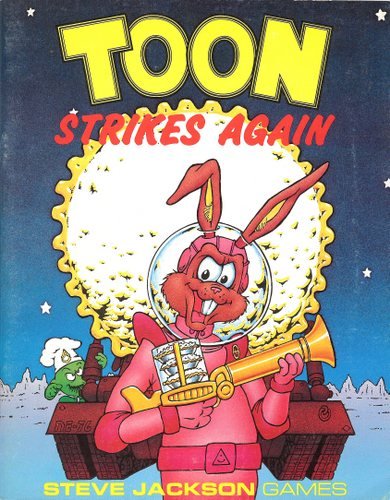
for the Toon game, contains new rules,
useful advice for the Animator (referee),
some pregenerated cartoon characters, and
four cartoon adventures.
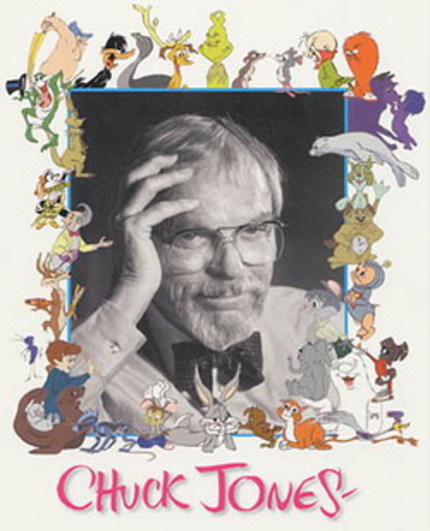
Although Toon is officially meant
to be a
generic cartoon role-playing game, it is
obviously designed around the classic
Warner Brothers cartoons, especially the
works of Chuck Jones.
Several of the adventures
(including Warren Spector's hilarious
"Mars Needs Creampuffs") are strongly
influenced by the originals. Even the pregenerated
characters have a strong Warner
Brothers feel to them -- but they just
don't
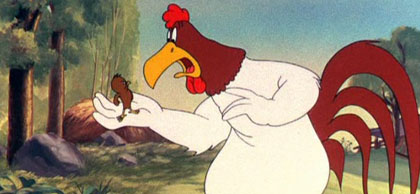
have the range or class of Bugs
Bunny,
Daffy Duck,
or even Foghorn Leghorn.
The lack of a Warner Brothers license
handicaps Toon, though it is a delightful
(if
not great) game even so. It?s a shame that
the game does not expand beyond the genre
it is based on. Cartoon role-playing has,
I
think, a lot of possibilities that have
not
been explored. Part of the joy of roleplaying
is the ability to put yourself in an
unreal situation. Toon is about
as unreal as
you can get, but the designers have so
far
only scratched the surface.
The Paranoia? role-playing game from
West End Games is in many ways quite
similar to Toon.
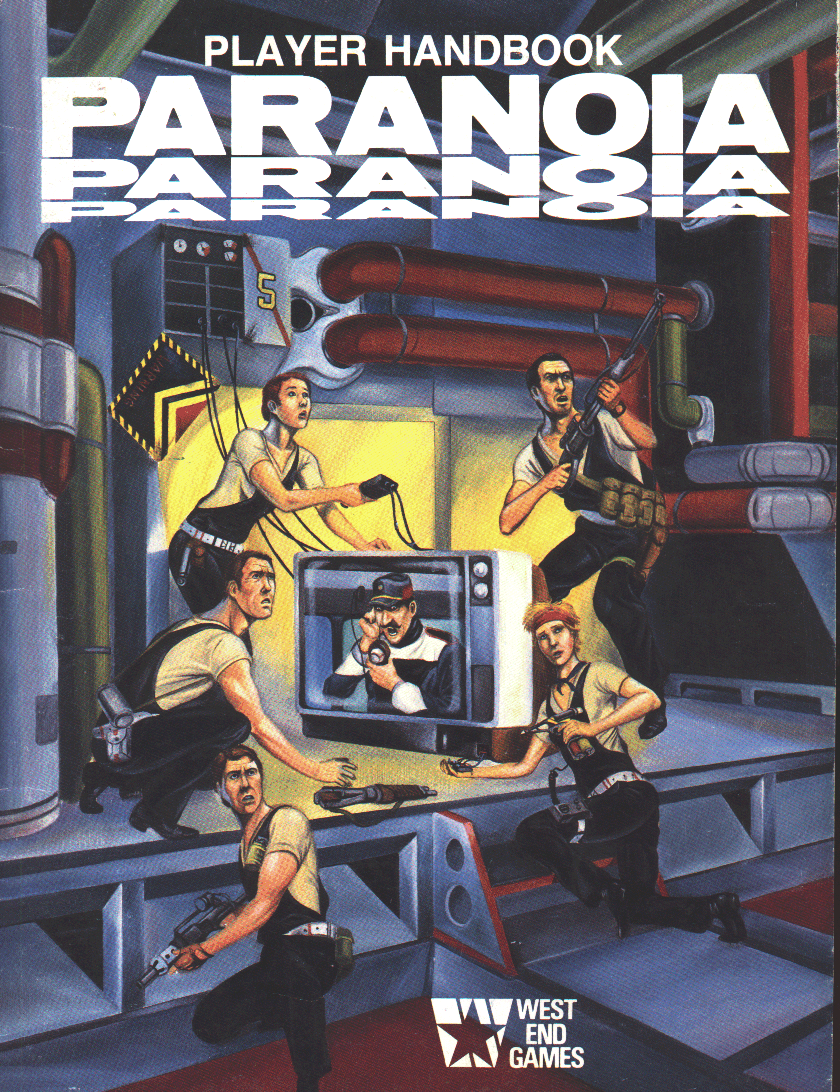
Like Toon, it has a refreshingly
silly, cartoonish worldview, and en
courages anti-rational game play. Paranoia
lends itself more easily to an evening's
entertainment than to a prolonged campaign.
(The character death rate in Paranoia
tends to rule out campaign play
anyway.)
Paranoia also fulfills many of the
?bad
game idea? criteria: It is silly, tasteless,
and
outrageous, and it violates nearly every
accepted standard of game design. In Paranoia,
characters die easily, important information
is deliberately withheld from the
players, the adventures are deliberately
designed to frustrate and persecute the
players, and the gamesmaster cheats. In
the
hands of another designer, the Paranoia
universe might have been treated seriously,
and would have been awful. Paranoia
is fun
because it doesn?t take itself seriously.
The Yellow ClearanceBlack
Box Blues
(YCBBB) is the second full-length
adventure
module for Paranoia.
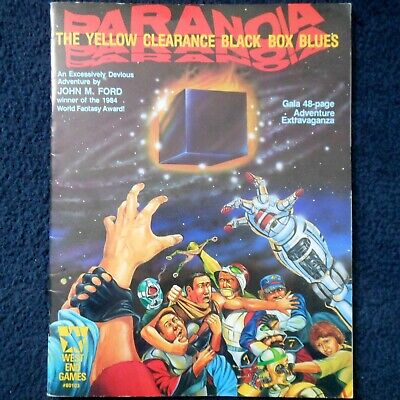
It is billed as ?an
excessively devious adventure by John M.
Ford, winner of the 1984 World Fantasy
Award!?
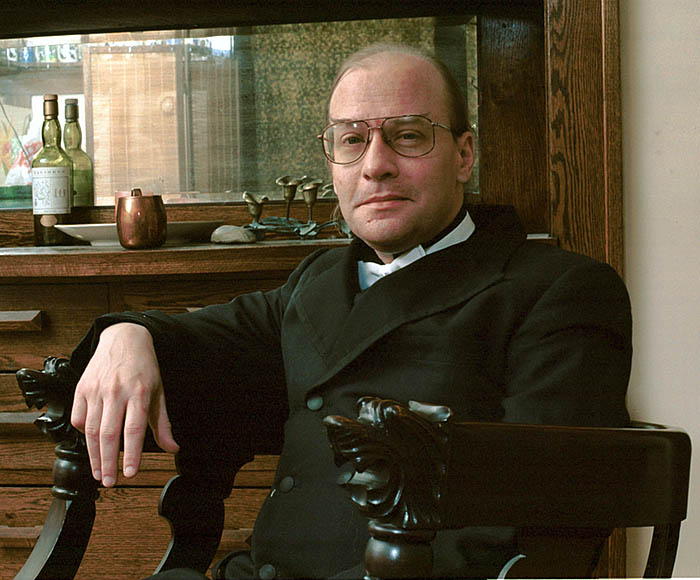
It is possibly the best-written roleplaying
adventure in the history of the field.
The module is filled with delights, from
the Experimental Security Computer Terminal
that becomes a different, escalating
practical joke each time it appears, to
the
sinister Smokey the Bearbot, who attacks
the PCs with its shovel, growling ?Only
you! Only you!?
Ford has created a complete and successful
slapstick comedy. The pie-in-the-face
humor is brilliantly handled, and the module
is filled with little touches that had
me
laughing out loud. When he needs a map
for an important mission Outdoors, he
provides the following tip:
"You are encouraged to actually fabricate
the map [of the adventure area]: take a
gasstation
map (of any location, it doesn?t
matter) and work it over, stomping on it,
spilling coffee, tearing pieces off, until
it
looks like it?s been in your glove compartment
for three hundred years or so. Circle a
couple of random locations in red ballpoint,
mark a stretch of road with highlighter.
If
you can stamp it, ?COMPUTER PROP
ERTY ? Unauthorized Possession Punishable
by Summary Execution,? all the better."
The danger in Paranoia, of course,
is that
the players will be kept in the dark too
much for them to have fun. In YCBBB,
all
the best jokes are for the gamesmaster.
The adventure reads better than it plays.
With a group that is temperamentally suited
for the game, it?s very entertaining until
combat begins. But the much-touted ?freestyle
? Paranoia combat system causes
play
to bog down until the firefight is over,
clones are activated, and the mission is
allowed to continue.
YCBBB is structured in a very linear
fashion. The players spend most of the
adventure being herded from one funny
situation into another. The adventure is
designed to keep the PCs on track no matter
what. For example, in one section, the
PCs
are saddled with a ?jackobot? that is the
only member of the party that knows where
to go next. Since the information is classified,
the jackobot cannot reveal it. The
referee is even encouraged to build a dependency
on the jackobot for information and
guidance, and to lead the players around
by
the nose for the duration of the mission.
The adventure is structured and paced
like a movie, and there is enough entertaining
detail for three modules. It is almost
too
much ? the climactic chase and its consequences
are so fulfilling and so complete
that they make any future Paranoia
modules
irrelevant. With YCBBB, Paranoia
has
reached its apotheosis.
One of the main problems plaguing the
role-playing industry is the proliferation
of
systems on the market. When the first few
role-playing games came out, the field
was
fresh, and each new system could attract
a
following. But with a glut of games on
the
same topics, each new game had to offer
something truly new and exciting, or become
?just another role-playing game.?
The worst possible topic about which to
do a new game is heroic fantasy. Not only
do the D&D® and AD&D®
game systems
dominate the market, but games from
RuneQuest® (Chaosium/Avalon
Hill) to
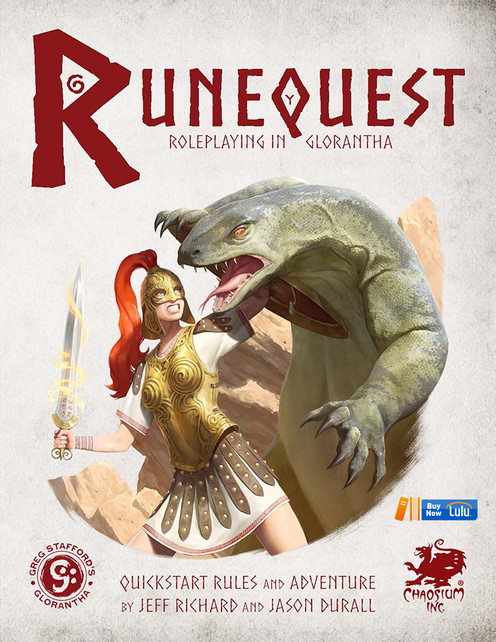
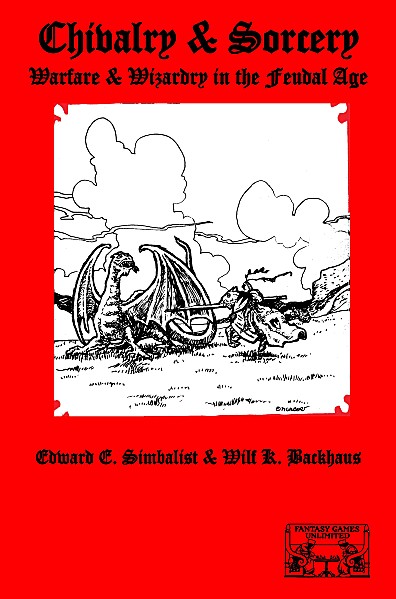
Chivalry & Sorcery? (Fantasy Games Unlimited)
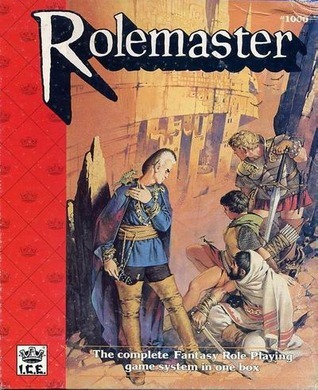
to Rolemaster? (Iron Crown Enterprises)
have each grabbed their little corner
of the fantasy market. Can yet another
fantasy role-playing game compete?
Evidently the publishers of Fantasy
Hero? (Hero Games) believe so.
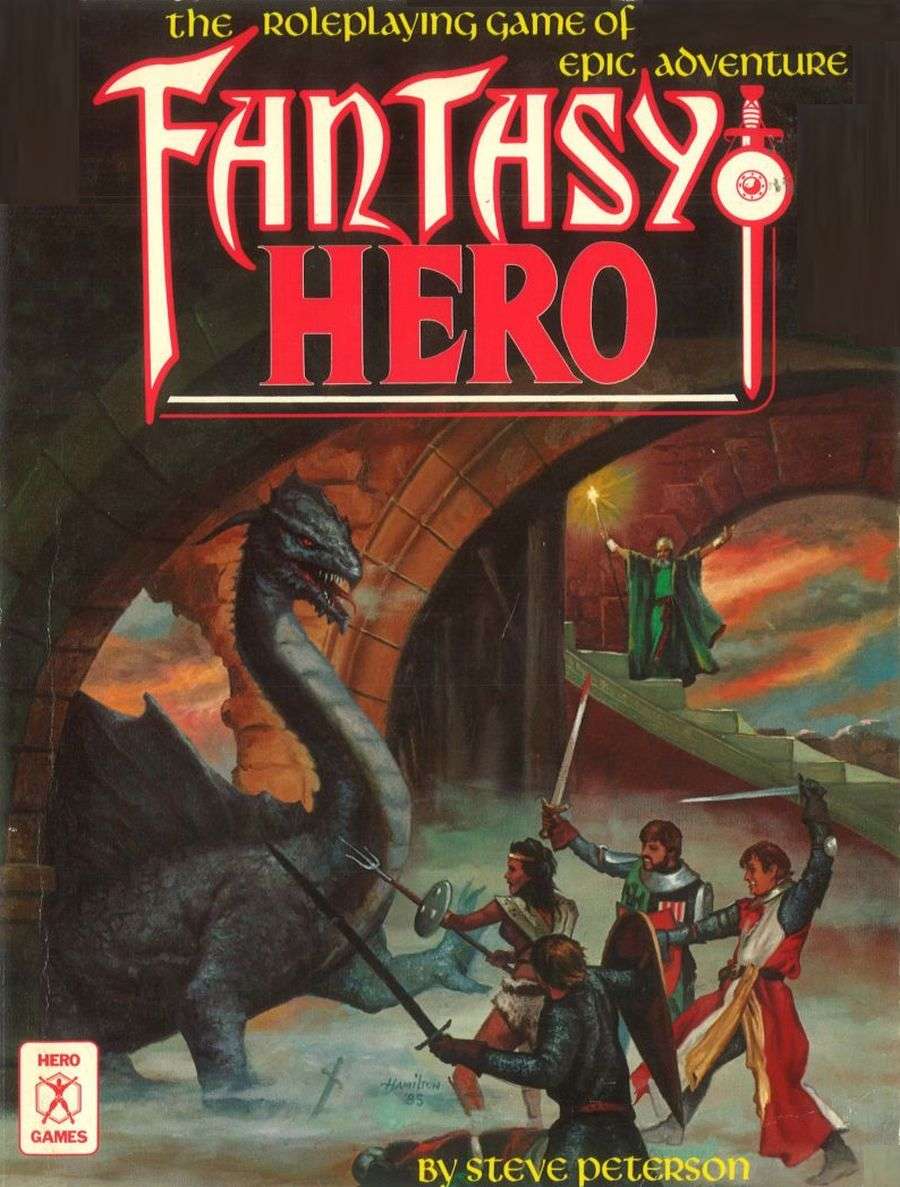
Fantasy
Hero is based on the popular Hero System,
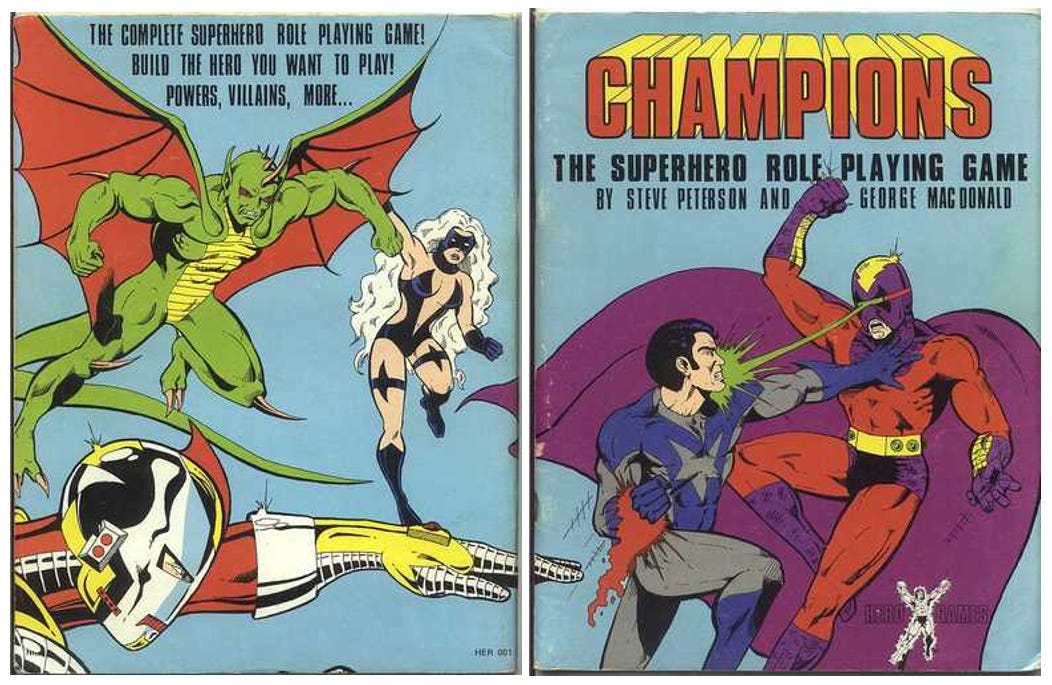
initially derived from the Champions?
superhero role-playing game.
There is much to like about the Hero
System and its fantasy conversion. It was
one of the first game systems to make it
an
advantage to take character disadvantages,
which promoted PCs that were not lookalikes.
The modular super-power creation
system allows a wide variety of effects
to be
simulated with relatively simple mechanics.
When adapted to the range of magical
spells, effects, and items, it works just
as
well. Although the magic system does not
have the consistency of magic in other
games (such as the Vancian concept of
magic that shapes both the D&D®
and
AD&D® games), it has the
advantage of
being whatever each magic-user in the
campaign wants it to be.
Fantasy Hero is a perfect-bound 160-page
paperback book, and contains all the basics.
The material is well organized, well written,
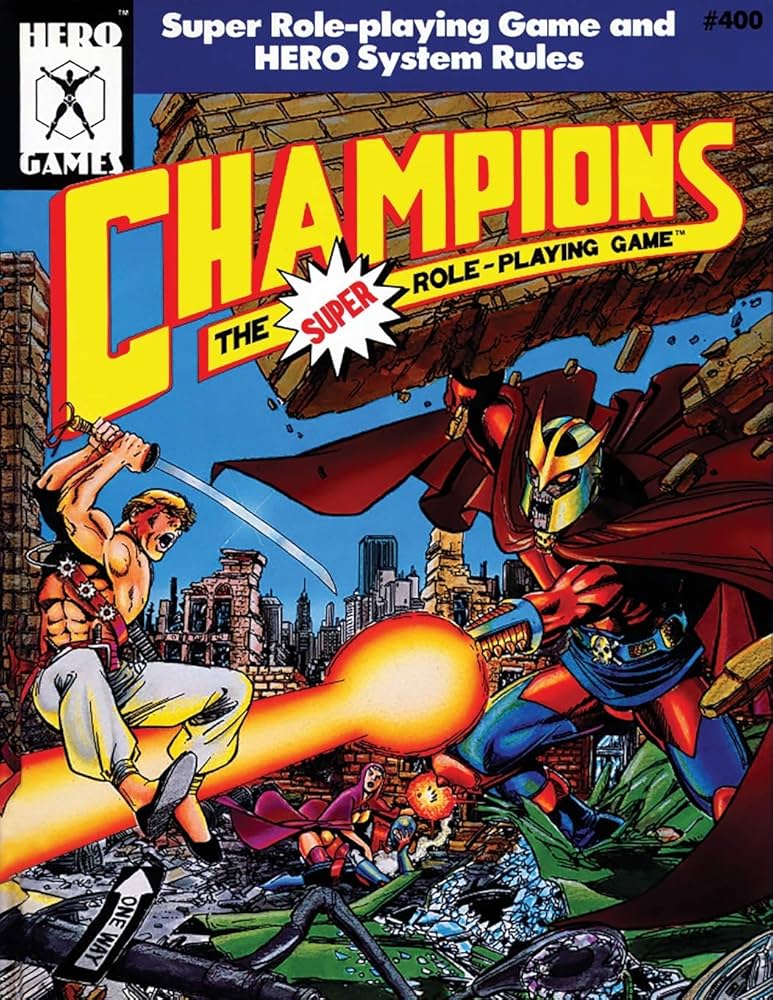
and well presented. (The cover is amateurish,
but a great improvement over Champions.)
The creators emphasize storytelling
and role-playing throughout, and encourage
players to create backgrounds and a context
for the campaign.
If Fantasy Hero had come out five
years
ago, it would have been a major release,
but
today it runs the risk of being lost in
the
crowd. I found it most useful as a sourcebook
of options and advice rather than as a
game in itself. Fans of Champions
who also
play fantasy games may find it to be more.
The publishers of Fantasy Hero also
publish Justice, Inc.?, a broad-based
pulp
adventure game set in the 1930?s.
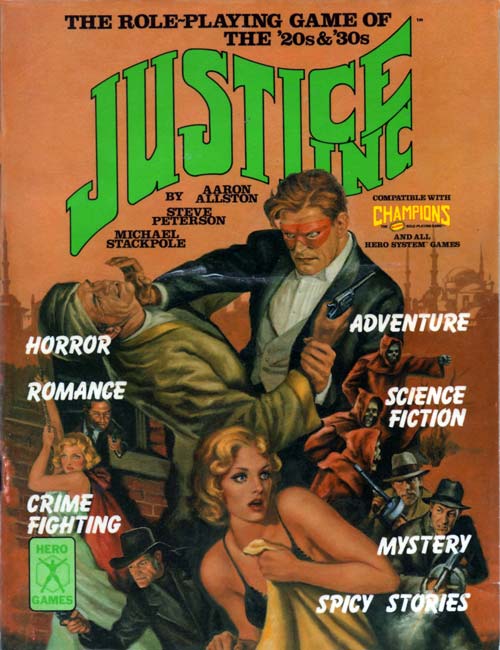
It is
conventional marketing wisdom in the field
that 1930?s games are not popular, but
the
genre is such a natural for role-playing
that
people keep trying.
Lands of Mystery is a campaign supplement
for Justice, Inc.,
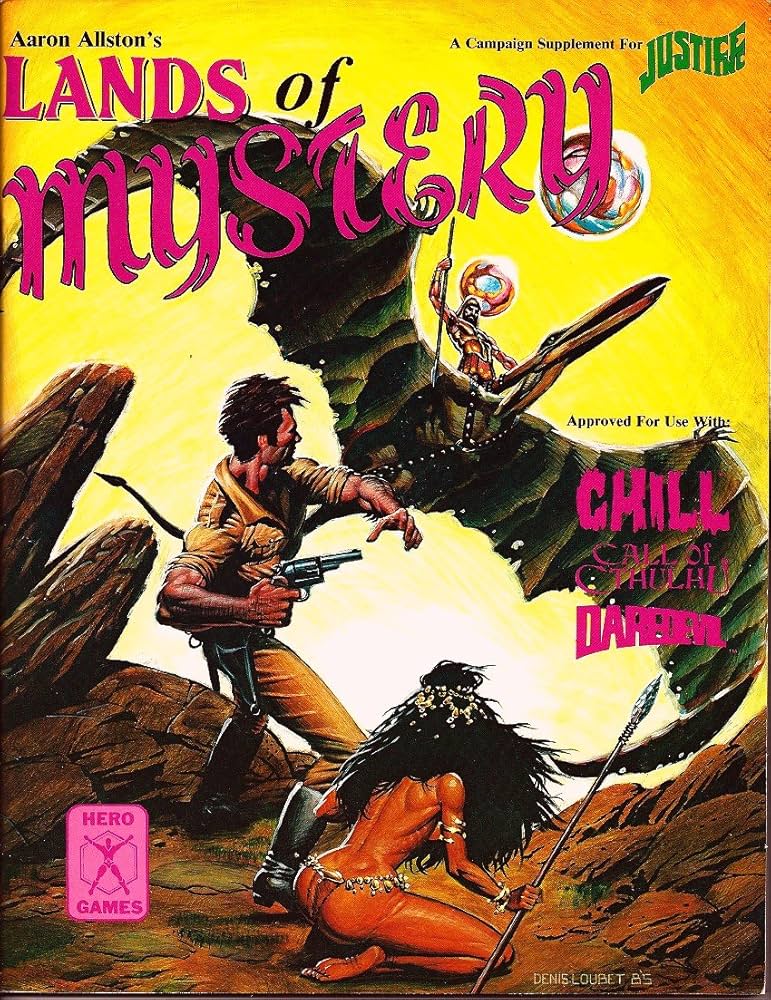
and is ?approved for
use with Chill?,
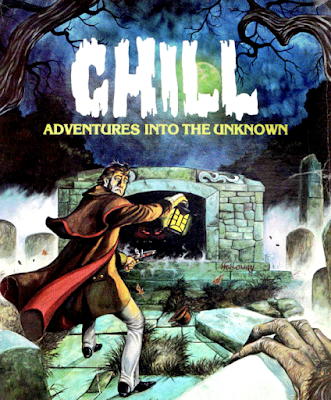
Call of Cthulhu?, and
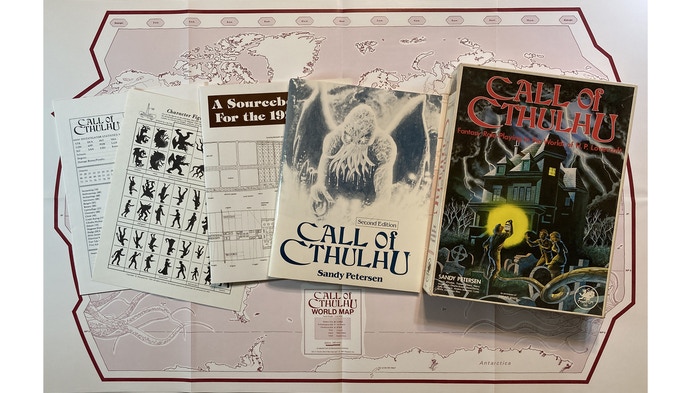
Daredevils?.
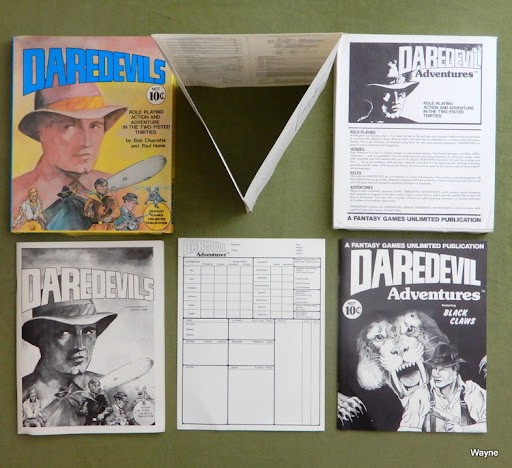
(It is a growing trend among
smaller game publishers to print conversions
in their products for other game systems,
thereby increasing sales by appealing
to players of rival games, as well as other
games produced by the same, company.)
It?s a shame that Lands of Mystery
is tied
to such a small market, because it?s a
wonderful
and much-needed guide that provides
practical advice for designing a campaign
world and creating a story to go with it.
Lands of Mystery is officially a
guide to
creating a classic ?lost worlds romance,?
a
campaign set in a place hidden away from
the civilized world, discovered by a party
of
pulp adventurers, filled with danger, excitement,
romance, and the inevitable beautiful
princess. But it is every bit as useful
as an
aid in designing a fantasy or science-fiction
campaign. It provides advice, tips and
techniques that are almost universally
applicable
in creating a campaign environment.
Lands of Mystery also advances (for
the
first time, to my knowledge) the idea that
characters should be assigned roles, as
in a
play or movie, that fit various stereotypes,
such as the Strong-Jawed Hero, the Native
Princess, the Girl Seeking Her Father,
or
even the Cynical Pianist. Although this
idea
seems simple and obvious, it is extremely
important, because it makes the job of
creating a coherent story around the characters
possible.
Finally, Lands of Mystery contains
a
complete campaign, ?Zorandar,? which
could easily be adapted to a variety of
fantasy
games. Zorandar is an Edgar Rice
Burroughs-type environment, set in an
alternate dimension linked to Earth.
Lands of Mystery is an important
product; it is one of the few good guides
to
creating and running a successful campaign.
No matter what period you prefer, or
what game system you like best, Lands
of
Mystery is going to be useful.
The proliferation of role-playing systems
has reached its zenith with the release
of the
Midnight at the Well of Souls role-playing
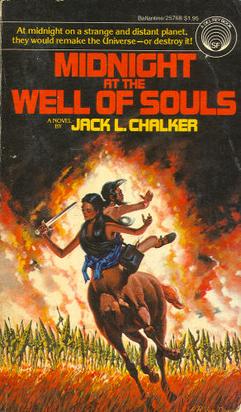
system (TAG Industries), based on the
novels by Jack Chalker. It may be conventional
marketing wisdom that ?licenses
sell,? but how many fans of the novels
will
rush right out and swap this game off the
shelves?
The game is mediocre in every respect.
The mechanics were state-of-the-art ten
years ago, and the game universe as presented
in the game has no spark to it.
Whatever atmosphere the books may possess
(I have not read them) is not translated
into the game.
The Stellar Generation System for creating
new worlds quickly seems astronomically
accurate, as far as that goes, but as
Lands of Mystery so ably demonstrates,
mere number-crunching, however accurate,
does not a realized campaign environment
make. A simple starship combat system is
primitive and spiritless. The introductory
adventure, about the hazards faced by a
mining party, is tedious both to read and
to
play. It does nothing beyond introducing
the game systems.
TSR, Inc., has branched out from its
role-playing roots with a new line of family
board games: the SIROCCO? game,
a
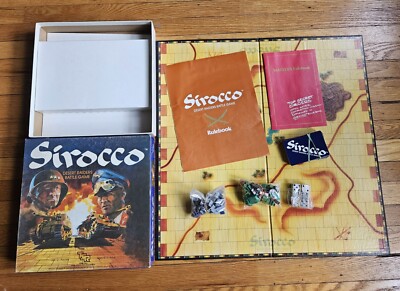
military boardgame; the CROSSCHECK?
game, a crossword-puzzle game;
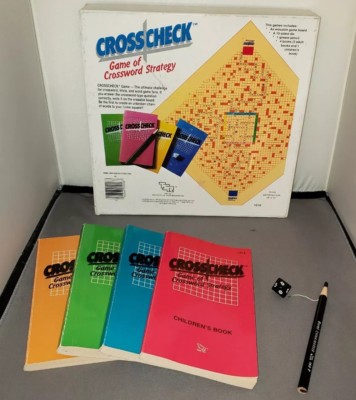
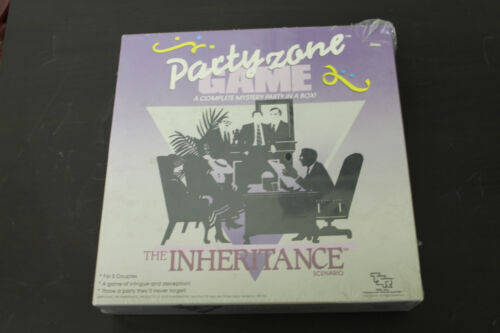
a line of
PARTYZONE? themed party games;
and
finally the ALL MY CHILDREN? game,
based on the popular soap opera.
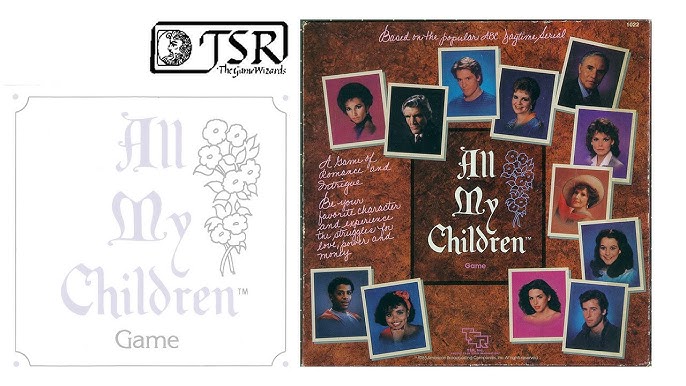
The latter
two games easily qualify as ?bad ideas.?
The SPY RING? Scenario, by David
?Zeb? Cook, is the first PARTYZONE
game to be published.
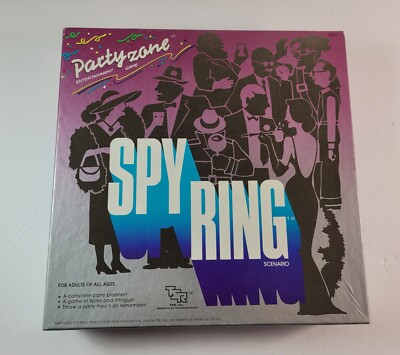
The game contains
pre-printed invitations with which to invite
friends, and folders that provide each
player
with a ?spy identity? and secret mission.
Missions range from selling secrets to
defecting
to the other side. Each spy begins
with a password with which he can identify
other spies on his own team. By talking
and
socializing with the others, each player
tries
to figure out how to perform his mission
and then does so.
The game is similar to various solve-amurder
party games that have become
popular over the past several years, but
with a twist. I?ve always felt that the
fun
part to play in a solve-a-murder party
is
that of the murderer, because the murderer
gets to lie and cheat and try to confuse
people, while the other participants have
to
play it straight. But in SPY RING, everybody
?s got a secret, so everyone gets to lie
and cheat and obfuscate.
PARTYZONE is a new approach to roleplaying;
with no dice, no combat system,
and no pretend violence. Like many of the
?bad ideas,? it is stretching the limits
of the
field by trying something new, different,
and a little radical.
It may seem like a bad idea to even mention
the ALL MY CHILDREN? game in a
magazine for serious role-players, but
no
discussion of current ?bad game ideas?
would be complete without it.
ALL MY CHILDREN is a ?bad idea?
from the word go. Historically, soap-opera
games have never succeeded because soapopera
fans don?t play games. A soap-opera
game is just plain tacky, even outrageous.
But ALL MY CHILDREN is actually a lot
of fun, even if you aren?t a soap-opera
fan.
(A noted game designer from another company
was heard talking about how much
fun he had playing Phoebe.)
For one thing, you can commit Dastardly
Soap Opera Deeds by playing Goal Cards
such as ?Toy with Adam?s Affections,?
?Seduce Hillary on Her Birthday,? or
?Frame Jesse for Murder.? Although the
mechanics of the game concentrate on card
play, there is a spirit of role-playing
the
characters from the show that makes the
game quite lively.
The ALL MY CHILDREN game has
been mentioned in TV Guide, and
the
premier of the game (attended by the TV
stars) was shown on Entertainment Tonight.
It seems to be catching on, deservedly
so.
Bad game ideas reflect the willingness on
the part of designers and companies to
take
risks in hopes of creating a fun game or
a
surprise hit. In that sense, bad game ideas
are what the field is all about. Of course,
a
solid, traditional game, thoroughly designed
and developed, fitting into a clear marketing
niche, is terribly important. A budding
young designer is well advised to start
by
learning how to design good traditional
games. But taking risks and pursuing
?bad? ideas is what makes the field grow.
FEBRUARY 1986